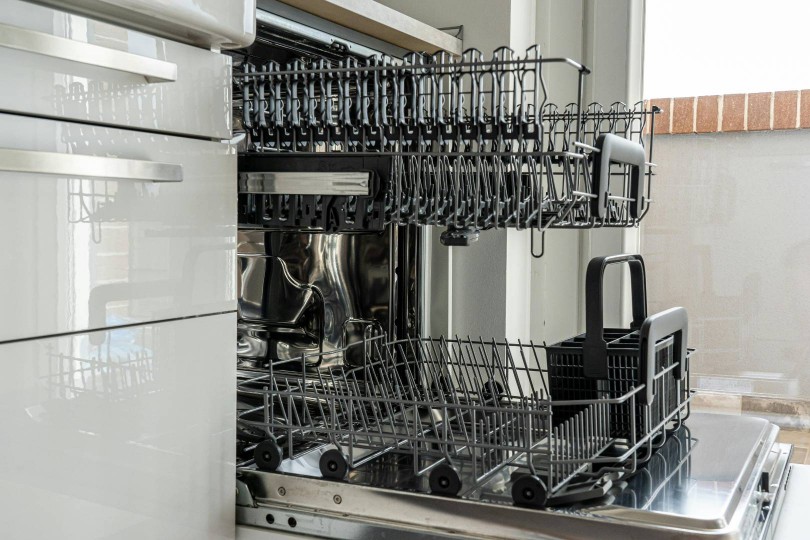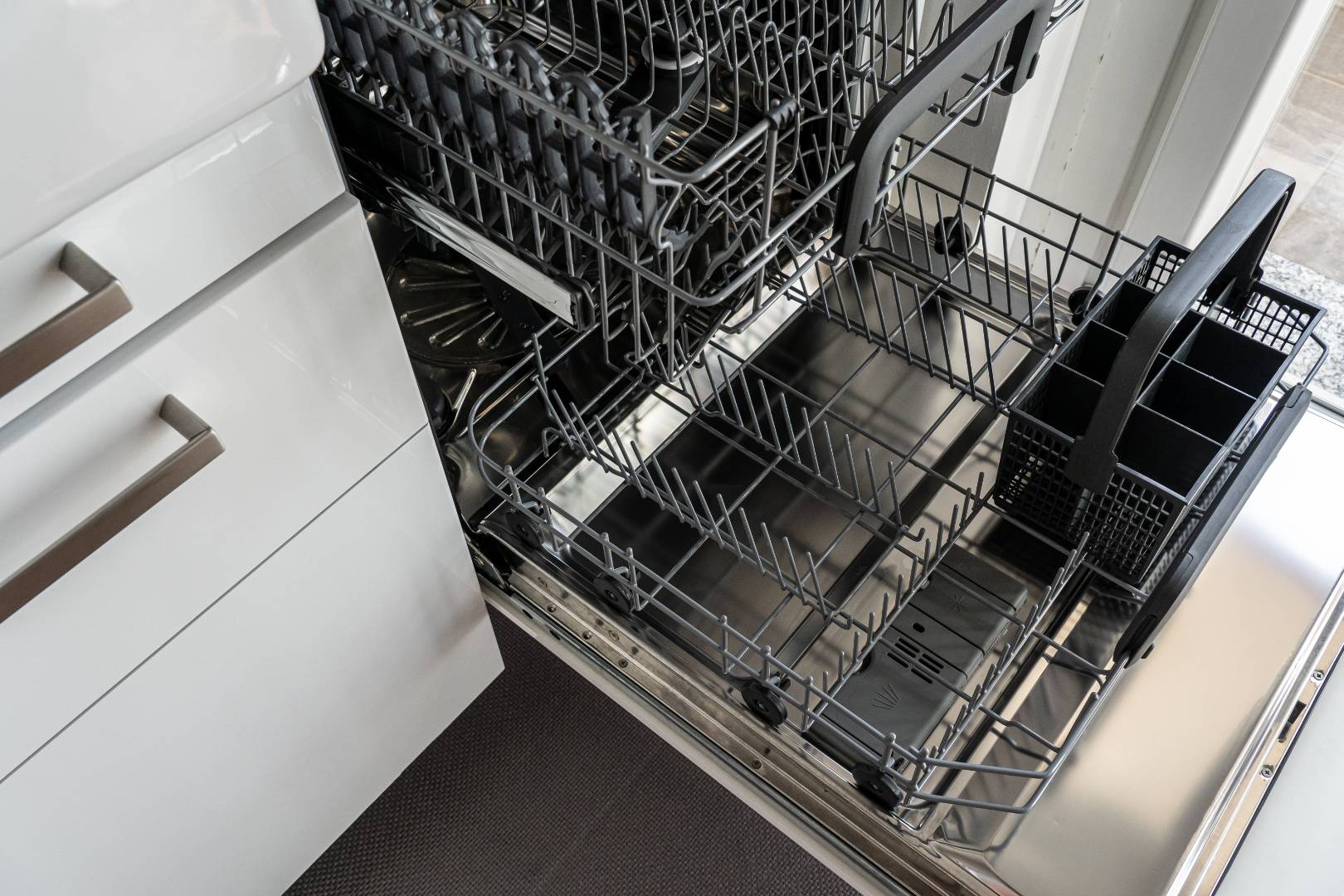

In our showroom, we often get asked whether a stainless steel dishwasher tub is really worth paying more for. It’s a fair question, because tub material sounds like a small technical detail. In real use, it can affect things you actually notice at home: noise, drying, durability, interior appearance and price.
Here’s the simple version: a plastic tub can be fine for a basic replacement, while a stainless steel tub usually makes more sense if you want quieter operation, better heat retention and a more premium long-term appliance.
Quick answer
A stainless steel dishwasher tub is usually the better fit if you use your dishwasher often, care about quieter operation or want a more premium interior. A plastic tub can still make sense if you want a lower upfront price and mainly need a basic, practical replacement.
- Plastic tub: best for lower upfront price, simple replacement, rental homes or lighter use. The main trade-off is that it’s usually louder and less premium.
- Stainless steel tub: best for daily use, open kitchens, quieter homes and long-term value. The main trade-off is that it usually costs more.
- Hybrid tub: best for shoppers who want a middle ground. The exact benefits depend on the model.
The tub material matters, but it shouldn’t be the only thing you compare. The drying system, noise rating, rack layout, wash cycles, installation fit and service support can matter just as much.
What the terms mean
A plastic tub means the dishwasher interior is made from durable plastic. You’ll usually see this in more budget-friendly models.
A stainless steel tub has a stainless steel interior, which usually gives the dishwasher a more premium feel and can help with heat retention, noise control and resistance to stains or odors.
Some dishwashers use a hybrid tub, often with a stainless steel door and plastic interior. That can be a practical middle ground, but the exact benefits depend on the model.
The differences buyers notice most
The main differences are noise, drying, price, durability and the overall feel when you open the door.
- Noise: plastic tub dishwashers are usually louder, while stainless steel tub dishwashers are usually quieter. This matters most in open kitchens.
- Drying: plastic holds less heat, while stainless steel holds heat better. Stainless steel can help with drying, but the drying system still matters too.
- Durability: plastic is fine for normal use, while stainless steel usually has a more premium long-term feel and handles heat and wear better.
- Stains and odors: plastic can be more likely to discolor or hold smells over time. Stainless steel is usually more resistant to stains and odors, which can matter if dishes sometimes sit before you run a cycle.
- Price: plastic usually has a lower upfront cost. Stainless steel usually costs more, but the upgrade can make sense if you care about quieter operation, drying and long-term feel.
- Interior look: plastic looks more basic. Stainless steel usually feels more finished and premium.
Stainless steel tubs are generally associated with better drying, quieter operation and long-term durability, while plastic tubs are usually more affordable and common in lower-priced dishwashers.
Which one should you choose?
Choose a plastic tub if...
A plastic tub can make sense if you want to keep the purchase price down. It’s often a practical option for a simple replacement, a rental property, a secondary home or a household that doesn’t run the dishwasher every day.
Choose a plastic tub if:
- you want a lower upfront price
- you need a basic dishwasher replacement
- the dishwasher won’t run every day
- the kitchen is separate from your living space
- you’re buying for a rental or secondary property
- premium feel isn’t a priority
Choose a stainless steel tub if...
A stainless steel tub is usually the better fit if you use your dishwasher frequently or want a quieter, more premium appliance. It’s especially worth considering in open-concept kitchens where the dishwasher runs near the living room, dining room or home office.
Choose a stainless steel tub if:
- you run the dishwasher often
- your kitchen is open to your living space
- you care about quieter operation
- you want a more premium interior
- you want better heat retention
- you plan to keep the dishwasher for years
Best fit by household type
Still not sure where you fall? This is how we’d usually think about it by household type.
- First-time homeowner: plastic, hybrid or entry stainless can all make sense. It depends on your budget and how often the dishwasher will be used.
- Busy family kitchen: stainless steel is usually the better fit because it works well for frequent use.
- Open-concept kitchen: stainless steel is usually the better fit because quieter operation matters more.
- Rental property: plastic or hybrid often makes more sense because the lower upfront cost may be more important.
- Light-use household: plastic or hybrid can be enough if premium features aren’t necessary.
- Long-term remodel: stainless steel is usually the better fit if you want premium feel and long-term use.
- Hard water home: this depends on the model. Tub material matters, but maintenance and rinse aid matter too.
What matters more than tub material
Tub material matters, but it’s only one part of choosing the right dishwasher. A stainless steel tub doesn’t automatically mean better cleaning, and a plastic tub doesn’t automatically mean the dishwasher is a bad choice.
In some cases, a well-equipped plastic or hybrid tub model can be a better fit than a basic stainless steel model. If it has better racks, a quieter dBA rating, stronger drying features or a better wash system, those details may matter more than the tub material alone.
Before you choose, compare:
- noise rating
- drying system
- rack layout
- third rack
- wash cycles
- filter design
- heated dry or fan-assisted dry options
- sanitize cycle availability
- installation fit
- brand support
- parts availability
- service options
A product page can tell you the tub material, but it can’t always tell you whether that model fits your kitchen, your dishes and your expectations. A quick call or showroom visit can help you compare the trade-offs before you buy.
Does tub material affect drying?
Yes, but it isn't the only factor. A stainless steel tub usually holds heat better than a plastic tub, which can help the dishwasher stay warmer during the drying phase.
That can support better drying, but it won't solve every drying issue. Plastic containers, deep bowls and items with rims can still hold water, even in a good dishwasher. The drying system, rinse aid, loading style and cycle choice still matter.
Does a stainless steel tub clean better?
Not directly. The tub material doesn't clean the dishes. Cleaning depends more on the wash system, spray coverage, filtration, detergent, cycle design and water temperature.
Stainless steel tub dishwashers are often found in mid-range or premium models, so they may come with better features overall. But the stainless steel itself isn't what makes dishes cleaner.
Is a plastic tub dishwasher too loud?
Not always. Plastic-tub dishwashers are often found in lower-priced models, and those models tend to be louder. But the tub material alone doesn’t tell the full story.
Noise is measured in dBA. The lower the number, the quieter the dishwasher. Many dishwashers sit somewhere in the 40–50 dBA range, while some premium models are even quieter.
For a closed-off kitchen, a slightly louder dishwasher may be fine. In an open kitchen, the sound matters more, especially if you run the dishwasher during dinner, while watching TV or while working from home.
A practical rule we use in our showroom:
- 56 dBA or higher: noticeably louder
- 50–55 dBA: acceptable for many homes
- 44–49 dBA: quiet enough for most open kitchens
- 43 dBA or lower: very quiet
Is stainless steel worth the extra cost?
A stainless steel tub is usually worth the upgrade if you run your dishwasher frequently, have an open kitchen, care about quieter operation or want a more premium long-term appliance. The upgrade often comes with other improvements too, such as better racks, quieter performance or stronger drying features.
A plastic tub may be the smarter buy if you’re trying to control the budget, replacing a dishwasher in a rental property or buying for lighter use.
If the price difference is small, stainless steel is often worth considering. If the price difference is large and you don’t care much about noise or premium feel, plastic may be enough.
What about odors, stains and hard water?
Stainless steel usually does better with stains and odors. It is generally more resistant to stains, corrosion and lingering smells than plastic.
Plastic can still be durable, but it may be more likely to discolor over time, especially with tomato sauce, curry, coffee or other strongly colored residues. Plastic interiors may also hold odors more easily if dishes sit for a day or two before the dishwasher runs.
Hard water is a little different. Stainless steel may show mineral film or white spots more visibly because the interior is reflective. That doesn’t mean the tub is failing. It often means mineral deposits are sitting on the surface. Rinse aid, dishwasher cleaner and the right cycle can help.
For hard water homes, don’t just compare tub material. Ask about:
- rinse aid use
- water softening
- dishwasher cleaner
- filter maintenance
- drying system
- whether the model tends to show mineral film
No matter which tub material you choose, a little maintenance helps. Use rinse aid for better drying, run a dishwasher cleaner or descaling cycle when needed, and wipe the door edges and seals occasionally. If dishes often sit for a day before you run a cycle, leaving the door slightly open after unloading can also help reduce trapped moisture and odors.
Common mistakes shoppers make
The biggest mistake is assuming that stainless steel automatically means better cleaning. It can be part of a better dishwasher, but cleaning still depends on the wash system, spray coverage, filtration, detergent and cycle design.
Other things shoppers often overlook:
- choosing only by price
- assuming stainless steel always cleans better
- ignoring the dBA rating
- forgetting about hard-to-dry plastic dishes
- not checking the rack layout
- missing the difference between full stainless and hybrid tubs
- overlooking installation fit
- forgetting service and parts availability
Ask Mark’s before you buy
If you’re not sure which tub material fits your home, Mark’s Appliance can help you compare models based on your kitchen layout, budget, noise expectations, drying needs, installation requirements and local service support.
A dishwasher can look good online but still be the wrong fit if it’s too loud, doesn’t dry the way you expect, has the wrong rack layout or doesn’t make sense for your kitchen.
Frequently asked questions
Is a stainless steel dishwasher tub worth it?
For many homeowners, yes. A stainless steel tub is usually worth it if you use the dishwasher often, care about quieter operation or want a more premium long-term appliance.
Do stainless steel dishwasher tubs clean better?
Not directly. Cleaning performance depends more on the wash system, spray arms, filtration, detergent, water temperature and cycle design. Stainless steel tubs are often found in better-equipped dishwashers, but the tub material alone doesn’t clean the dishes.
Are plastic tub dishwashers bad?
No. Plastic tub dishwashers can be a practical choice for basic replacements, tighter budgets, rental properties or lighter use. They’re usually less premium, but that doesn’t mean they’re automatically a bad choice.
Are stainless steel dishwashers quieter?
Usually, yes. Stainless steel tub dishwashers are often quieter, especially when combined with better insulation. Still, the dBA rating is the number to compare.
Does a stainless steel tub dry dishes better?
Usually, it can help. Stainless steel holds heat better than plastic, which can support drying. But drying also depends on the drying system, rinse aid, cycle choice and how the dishwasher is loaded.
Why are plastic dishes still wet after the dishwasher runs?
Plastic items don’t hold heat as well as glass, ceramic or metal, so water doesn’t evaporate as easily. Shapes like rims, lids and deep bowls can also trap water.
Should I choose a higher-end plastic tub or a basic stainless steel tub?
It depends on the full feature set. A higher-end plastic or hybrid model may have better racks, cycles or drying features than a very basic stainless steel model. Compare the actual dishwasher, not just the tub material.